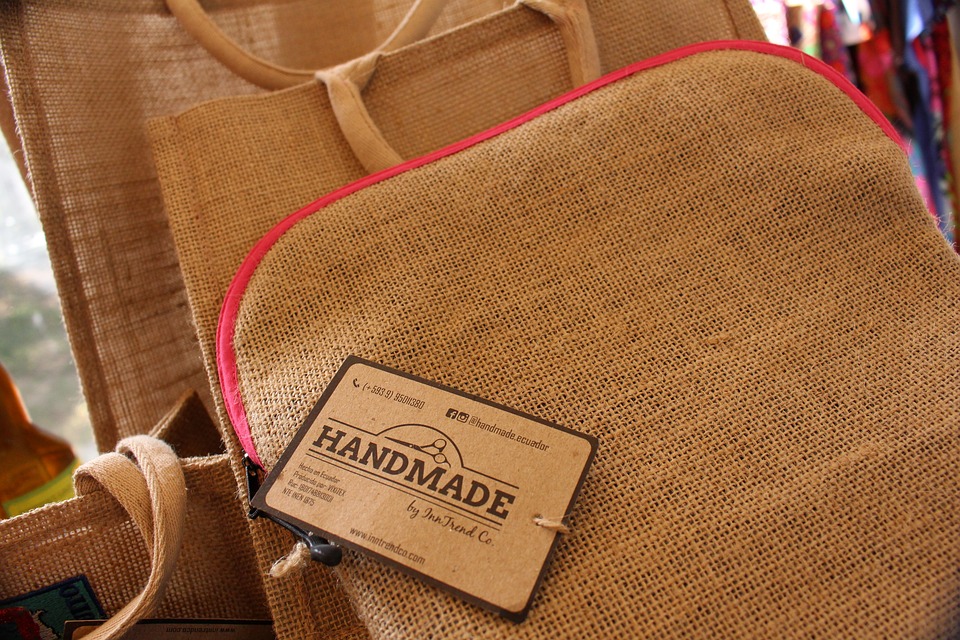
In recent years, the fashion industry has witnessed a significant shift towards ethical and sustainable practices. This transformation is not only reflective of consumer demand but also a growing awareness of the environmental and cultural impact of fashion. One of the fascinating aspects of this movement is the resurgence of indigenous weaving methods, which are being preserved and celebrated by modern ethical brands. These techniques not only promote sustainability but also honor the rich cultural heritage of indigenous communities around the world. By integrating these traditional methods into contemporary designs, ethical brands are creating unique products that tell a story of craftsmanship and respect for cultural diversity.
Preserving Indigenous Weaving Techniques in Modern Fashion
The revival and preservation of indigenous weaving techniques in modern fashion represent a blend of tradition and innovation. Brands committed to ethical fashion often partner with indigenous artisans to incorporate age-old weaving methods into their collections. This collaboration not only provides artisans with fair wages and safe working conditions but also helps in keeping these ancient techniques alive for future generations. Preservation of these methods is essential as they often represent the identity and history of the communities that practice them.
Indigenous weaving is more than just a craft; it is an art form that is passed down from generation to generation. Each piece created using these techniques tells a story, carrying with it the traditions and beliefs of the weaver’s culture. Through modern ethical brands, these stories are now being shared with a global audience, allowing for a greater appreciation of the artistry involved.
The Benefits of Ethical Fashion Brands
Ethical fashion brands that embrace indigenous weaving techniques are contributing to a more sustainable and equitable fashion industry. These brands prioritize transparency, ensuring that consumers are aware of where their products come from and how they are made. By supporting these brands, consumers can make informed decisions that align with their values.
Many ethical brands also focus on reducing waste and minimizing their environmental impact. This approach often involves using natural and biodegradable materials, as well as implementing sustainable production practices. As a result, the fashion items produced are not only beautiful and unique but also environmentally friendly.
Here are some benefits of supporting ethical fashion brands that incorporate indigenous weaving methods :
- Cultural Preservation: by supporting these brands, consumers help preserve valuable cultural traditions and practices.
- Empowerment of Artisans: indigenous artisans are provided with fair wages and opportunities to showcase their skills on a global platform.
- Environmental Sustainability: ethical brands are committed to sustainable practices, reducing the overall environmental impact of the fashion industry.
Challenges and Opportunities
While the integration of indigenous weaving methods into modern fashion presents numerous opportunities, it also poses several challenges. One significant challenge is ensuring that the collaboration between brands and indigenous communities is fair and respectful. It is imperative that brands engage in ethical practices, providing artisans with appropriate recognition and compensation for their work.
There is also the challenge of maintaining the authenticity of these traditional methods while adapting them to contemporary fashion trends. Balancing tradition with innovation requires a deep understanding of both the cultural significance of the techniques and the demands of the modern fashion market. Maintaining this balance is crucial for the success and integrity of the partnership.
Despite these challenges, the opportunities for growth and positive impact are immense. By embracing indigenous weaving techniques, ethical brands have the chance to set new standards in the fashion industry, promoting a model that is not only sustainable but also socially responsible.
Looking to the Future
The future of fashion is one that embraces diversity, sustainability, and respect for cultural heritage. Indigenous weaving methods offer a unique opportunity to blend tradition with modernity, creating fashion that is both meaningful and environmentally conscious. As consumers increasingly seek out ethical and sustainable options, brands that incorporate these techniques are likely to continue growing in popularity.
There is a growing awareness and appreciation for the artistry and skill involved in indigenous weaving. This awareness, coupled with a desire for more sustainable fashion options, is driving a change in consumer behavior. By choosing to support ethical brands, consumers can play an active role in preserving these valuable cultural traditions while also promoting a more sustainable and equitable fashion industry.
In a world where fast fashion continues to dominate, the efforts of ethical brands to preserve and promote indigenous weaving techniques offer a hopeful vision for the future. These brands are not just creating beautiful and unique products; they are also setting an example for the rest of the industry to follow, proving that fashion can be both stylish and responsible.