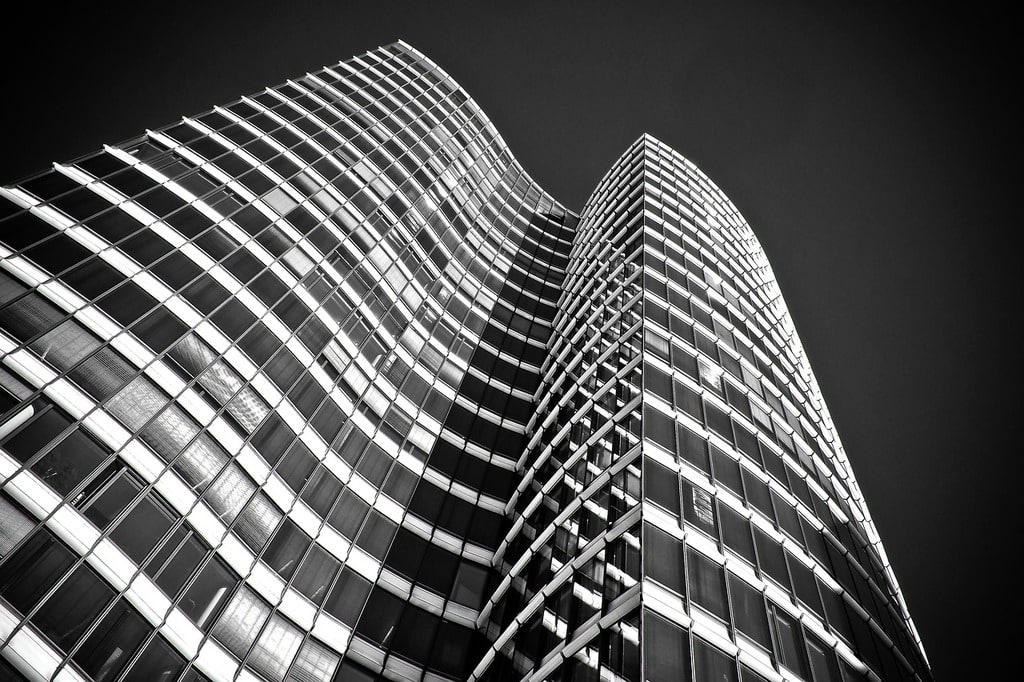
Sculpture has always been a form of expression that allows artists to push the boundaries of creativity. In recent years, a fascinating trend has emerged within this art form: the integration of biomorphic designs with technological constructs. These sculptures often blend organic elements with advanced technology, creating visually striking pieces that challenge perceptions and evoke emotional responses.
Exploring Biomorphic and Technological Fusion in Sculpture
Biomorphic sculpture draws inspiration from the forms and patterns found in nature. When combined with modern technology, these artworks become a fusion of the organic and synthetic, offering a new perspective on how art can evolve. Artists are now using materials like metal, glass, and ceramics alongside digital components, such as LED lights and interactive sensors, to create sculptures that are both dynamic and thought-provoking.
The interaction between nature and technology in these sculptures is not merely aesthetic. It reflects deeper themes of coexistence and the interdependence of the natural and artificial worlds. This fusion invites viewers to reconsider their relationship with their surroundings and the role technology plays in shaping the environment.
One of the most compelling aspects of this trend is its ability to engage audiences in a dialogue about sustainability and innovation. By incorporating natural elements and technological advancements, these sculptures often highlight the potential for harmony between the two, sparking conversations about the future of art and design.

Techniques and Materials: creating the Perfect Synthesis
Artists venturing into this genre employ various techniques and materials to achieve the desired synthesis of nature and technology. 3D printing, CNC machining, and laser cutting are frequently utilized to craft intricate designs that mimic organic forms. This precision allows for the creation of complex structures that would be impossible to achieve by hand.
Traditional materials like wood, stone, and clay are often juxtaposed with contemporary elements such as polymers and carbon fiber. This combination not only enhances the visual appeal of the sculptures but also emphasizes the contrast between the natural and the manufactured. The use of kinetic elements, such as motors and gears, adds an element of movement, making these sculptures dynamic and alive.
Lighting plays a significant role in these artworks, with LEDs and fiber optics being used to illuminate and accentuate specific features. This interaction of light and shadow brings an additional layer of depth to the sculptures, enhancing their impact and creating a mesmerizing display.
Influences and Inspirations: where Nature Meets Innovation
Biomorphic sculpture trends are influenced by various sources, drawing inspiration from both the natural world and technological advancements. Artists often look to biology, geology, and astronomy for inspiration, incorporating elements from these fields into their work. The result is a diverse array of sculptures that reflect the intricate beauty of nature and the limitless potential of technology.
Some artists find inspiration in the works of pioneers in the field, such as Alexander Calder and Jean Tinguely, who explored the integration of movement and technology in art. Contemporary sculptors build upon these foundations, pushing the boundaries even further by incorporating cutting-edge technologies and sustainable practices.
For those interested in exploring this trend, a few key considerations might include :
- The balance between organic and synthetic materials to create harmony.
- Incorporating interactive elements to engage the audience.
- Using sustainable practices and materials to reduce environmental impact.
- Exploring innovative technologies to enhance the aesthetic and dynamic qualities of the sculpture.
Future Prospects: the Evolving Landscape of Sculpture
As the intersection of nature and technology continues to evolve, so too will the field of biomorphic sculpture. Artists will likely continue to innovate, exploring new materials and techniques to further blur the lines between the organic and synthetic. These sculptures not only offer a glimpse into the future of art but also serve as a commentary on the societal and environmental issues that define the modern world.
The potential for collaboration between artists, engineers, and scientists is vast, offering opportunities to create even more sophisticated and impactful works. This fusion of disciplines promises to yield sculptures that are not only visually stunning but also intellectually and emotionally engaging.
These trends in biomorphic sculpture point towards a future where art continually adapts and transforms, reflecting the ever-changing landscape of the world. By merging the beauty of nature with the innovation of technology, these sculptures challenge both artists and audiences to rethink the possibilities of visual expression.